Blog.
Notes on AI, drug discovery, and building platforms in biomedicine. Short posts. No listicles. Occasional diagrams.
2026
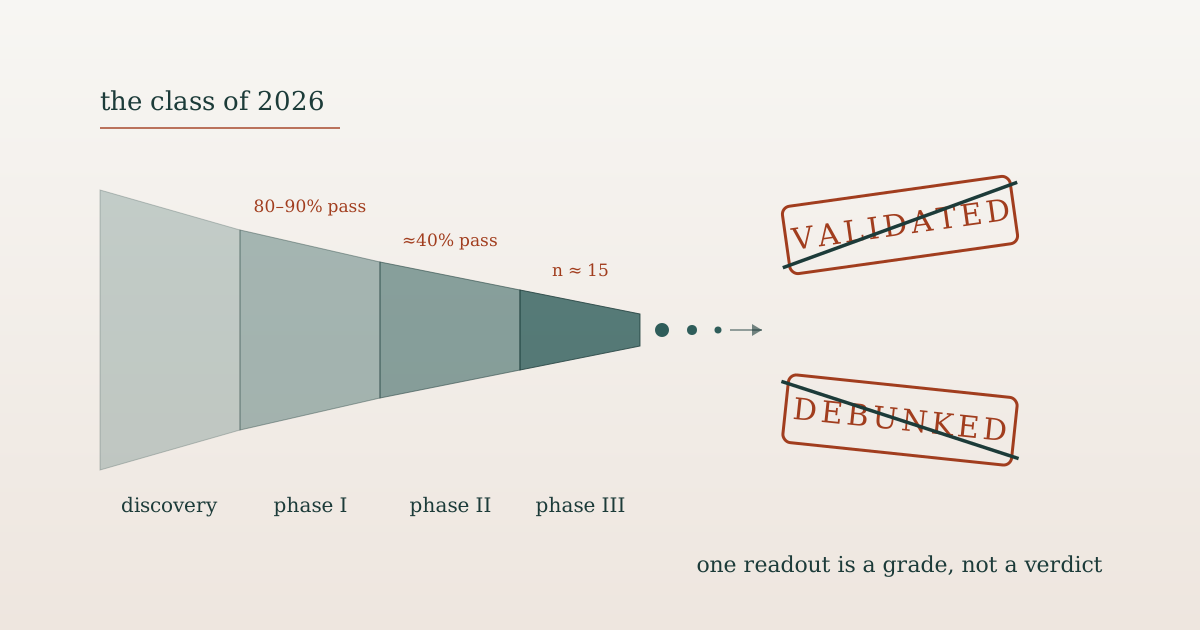
AI drug discovery is finally on trial. Both verdicts are already being written.
10 Aug 2026·12 min readRentosertib — AI-discovered target, AI-designed molecule — entered a pivotal Phase III in July. Fifteen to twenty more programs may follow this year. The boosters will over-read a success, the sceptics will over-read a failure, and both will be making the same statistical mistake. A field guide to reading the class of 2026 honestly.
From drug molecule to protocol document: how multi-agent orchestration is reshaping clinical trial design
22 Apr 2026·13 min readThe industry is building point solutions — a simulation tool here, a document drafter there, a sample-size calculator somewhere else. What clinical development actually needs is an end-to-end reasoning system that thinks like the team it replaces. We built one.
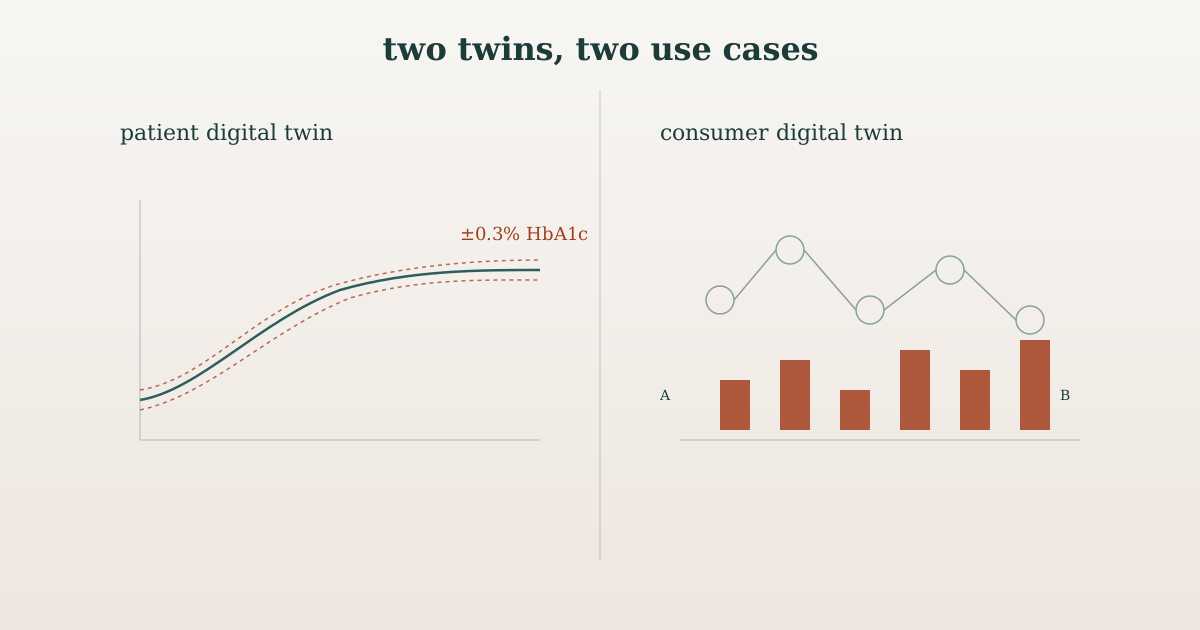
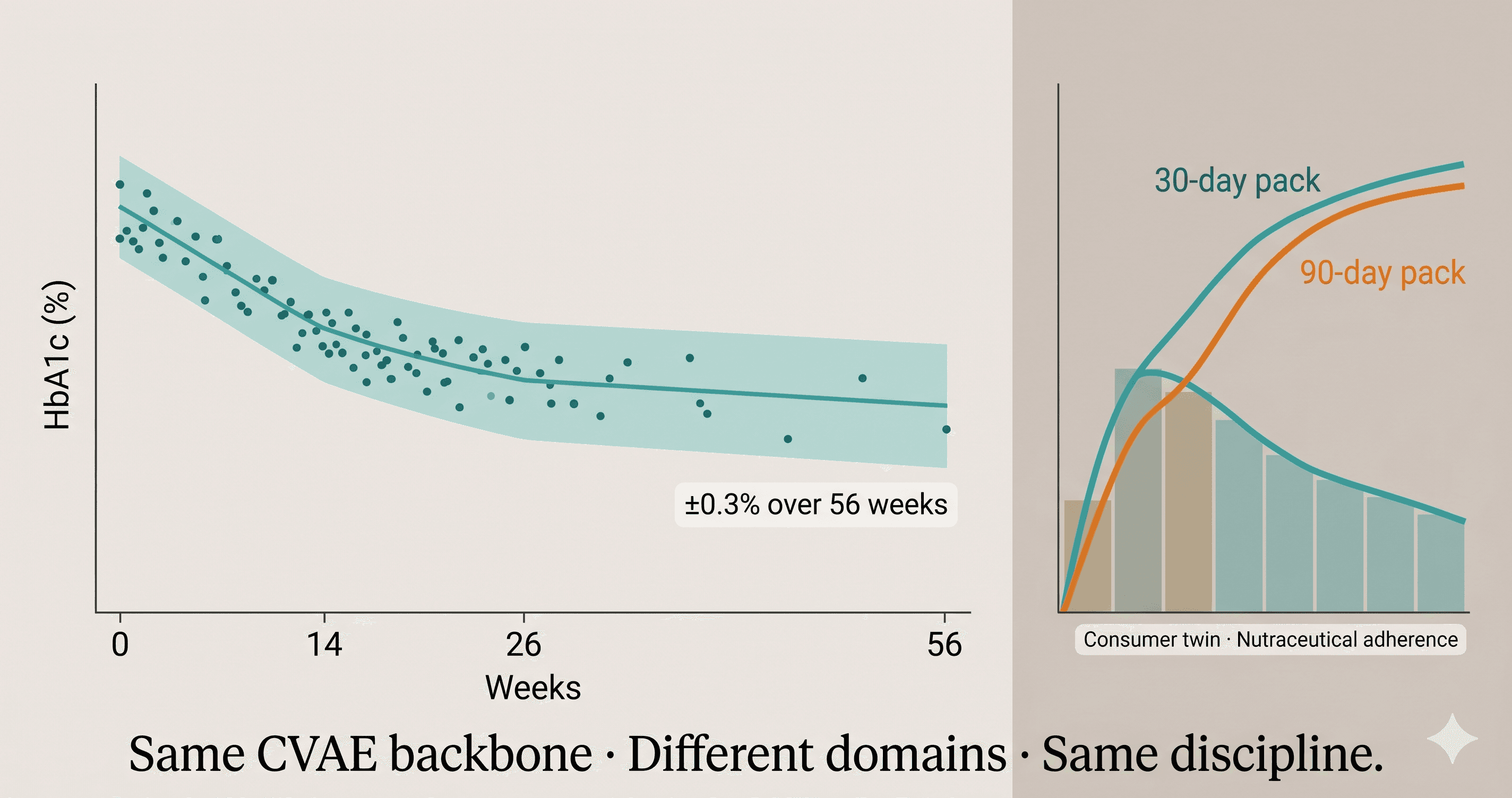
Advancing digital twins — real-world impact in patient care and consumer insights
19 Apr 2026·7 min readTwo digital twin prototypes, two very different domains, one question — when does a synthetic trajectory earn the right to influence a decision? Notes on what it took to get to ±0.3% HbA1c over 56 weeks, and what the same backbone looks like in consumer behaviour.
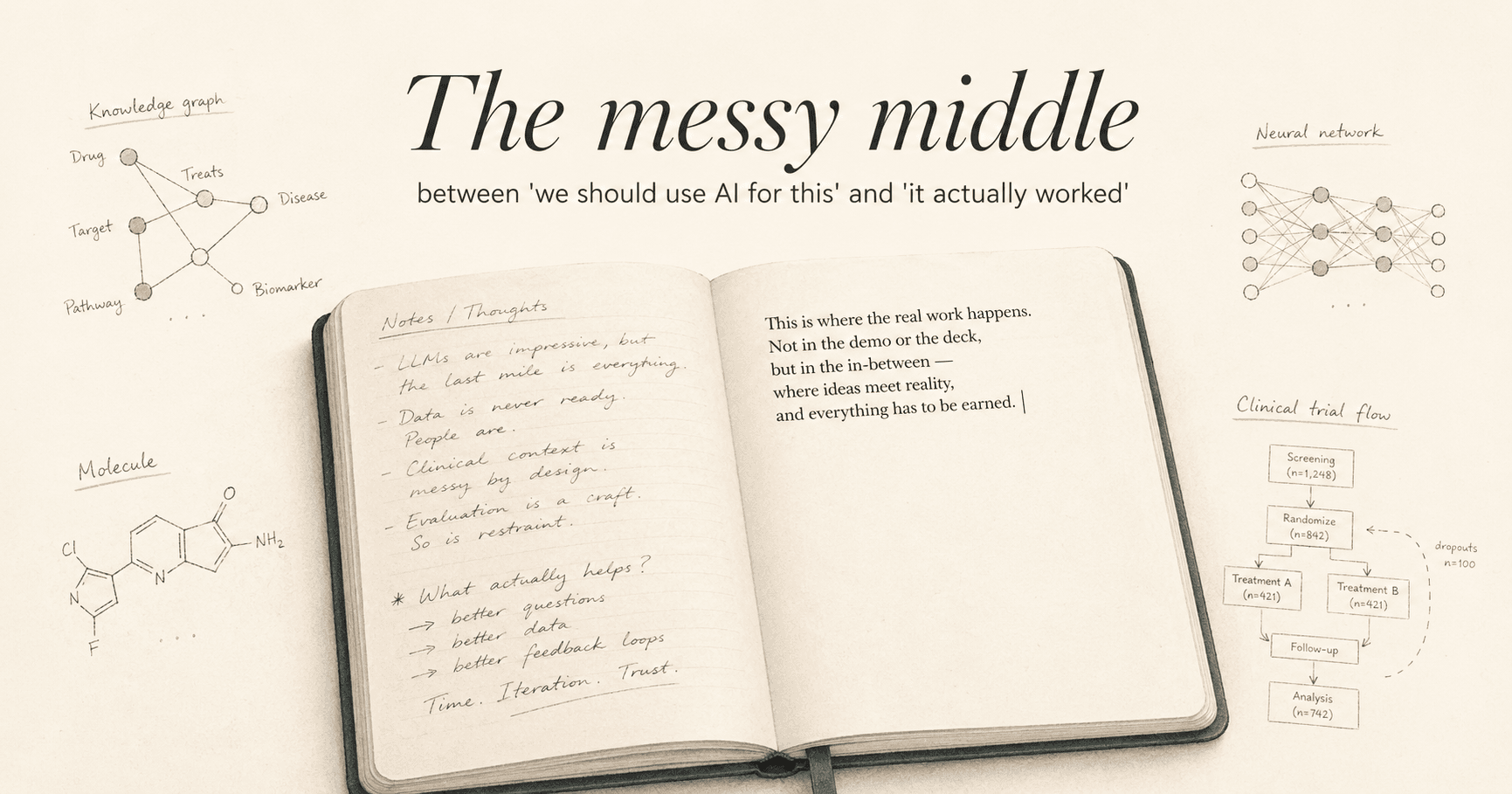
Writing again
18 Apr 2026·1 min readWhy I am starting to write in public about AI and biomedicine — and the messy middle between them where most of the actual work happens.
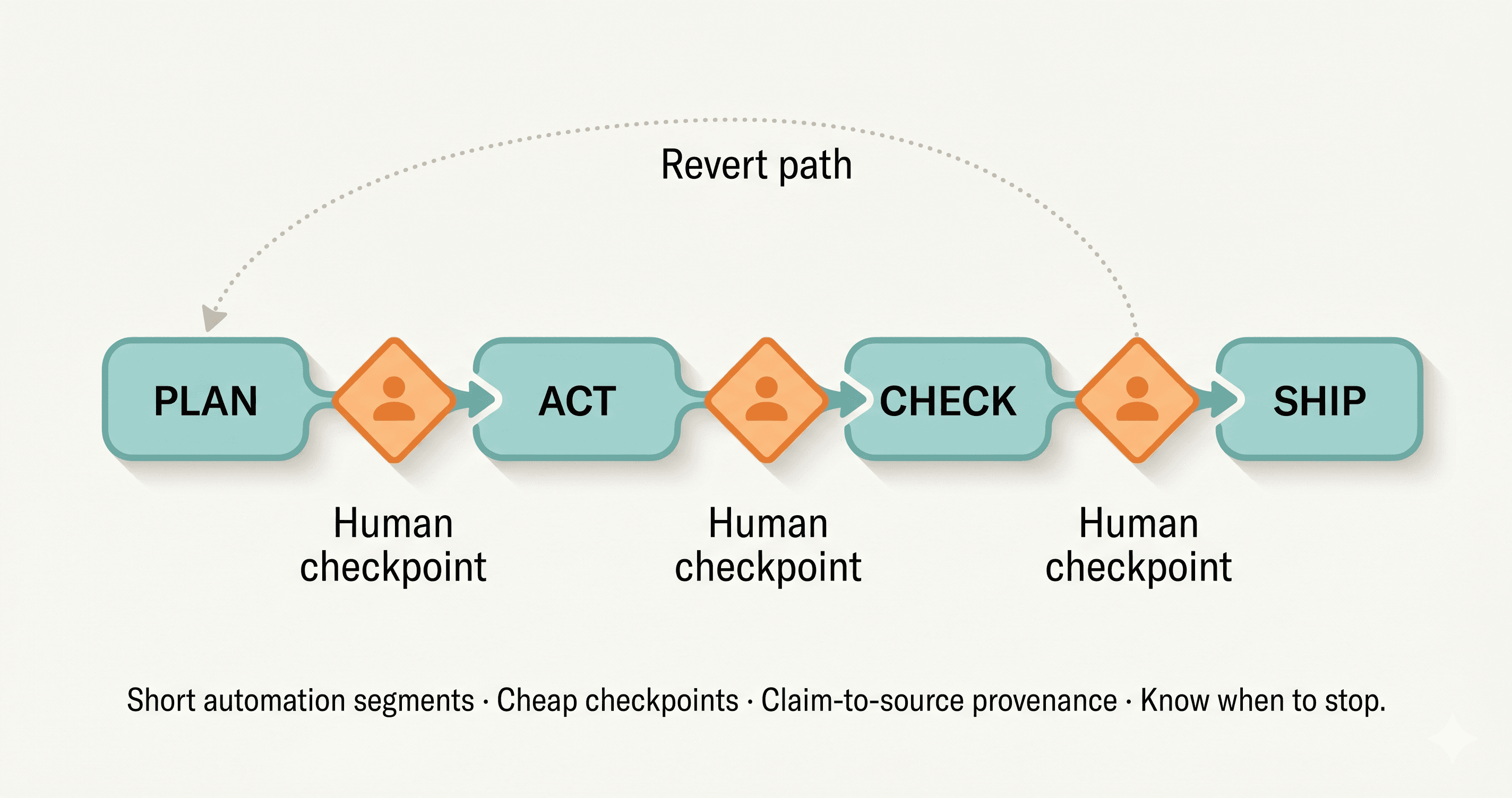
Designing agentic workflows clinicians will actually trust
12 Apr 2026·5 min readAn agent that suggests is a search box with nicer prose. An agent that acts operates under a different contract. Three design principles that separate agentic systems clinicians keep using from the ones they quietly abandon.
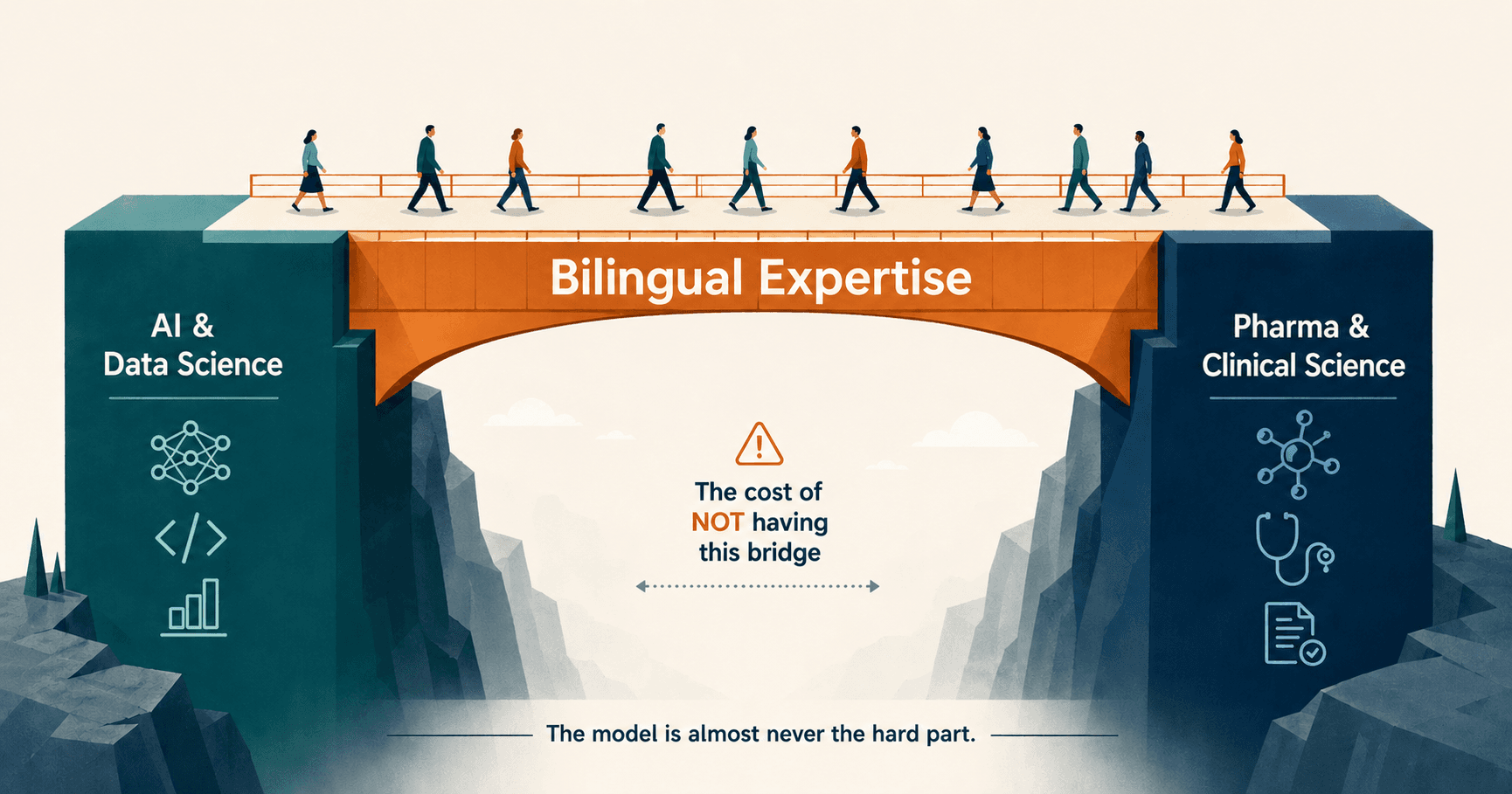
Pharma's complexity demands more than AI — it needs bilingual experts
12 Apr 2026·6 min readThe bottleneck in AI for drug development is no longer the model. It is the shortage of people who can hold the clinical, regulatory and computational picture in their head at the same time — and frame the question before anyone writes a line of code.
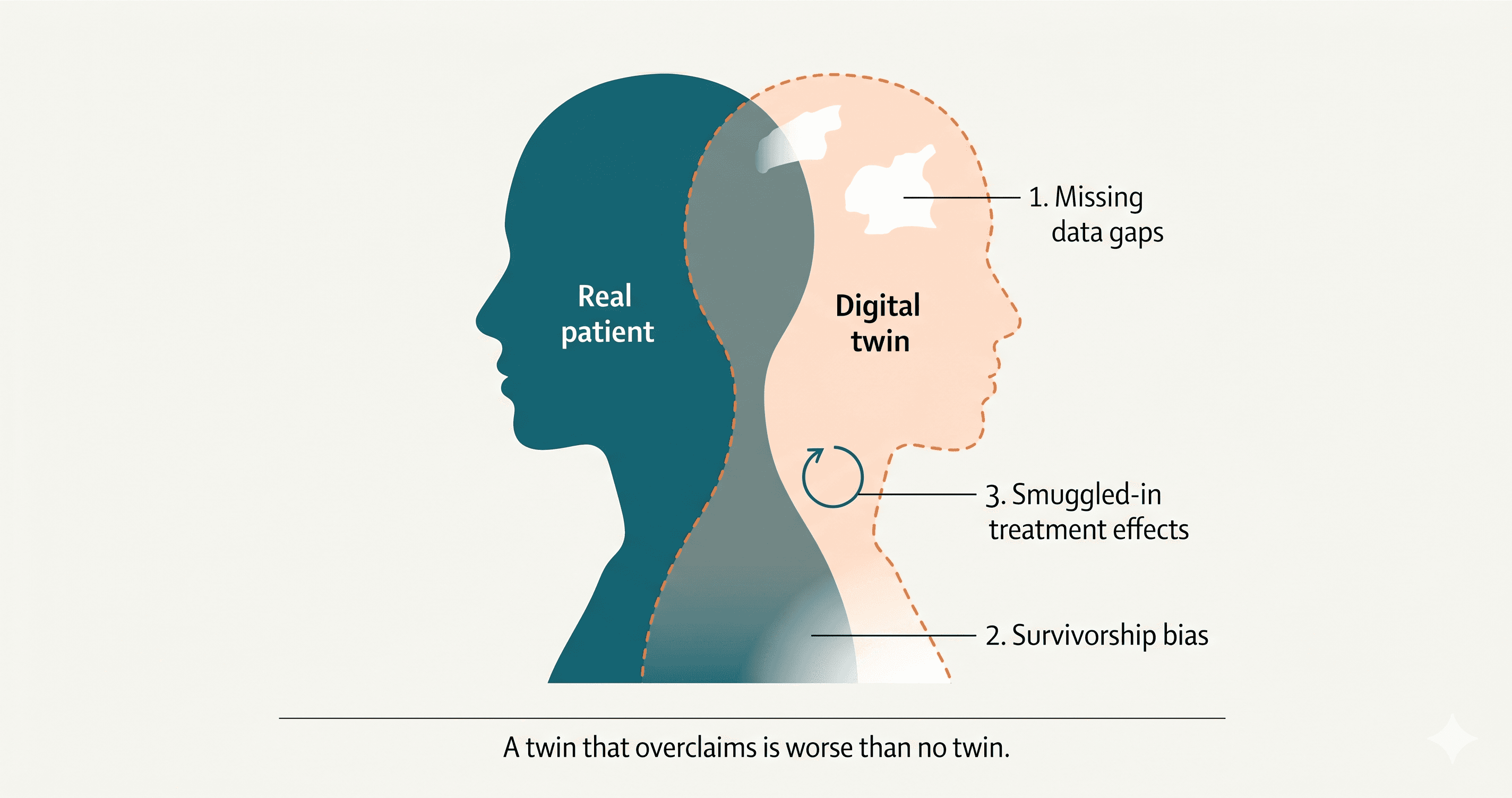
Three places patient digital twins mislead
28 Mar 2026·5 min readDigital twins are useful. They are also confident in exactly the situations where a clinician would hedge. Three failure modes that keep showing up, and what each one implies for how the twin should be designed.
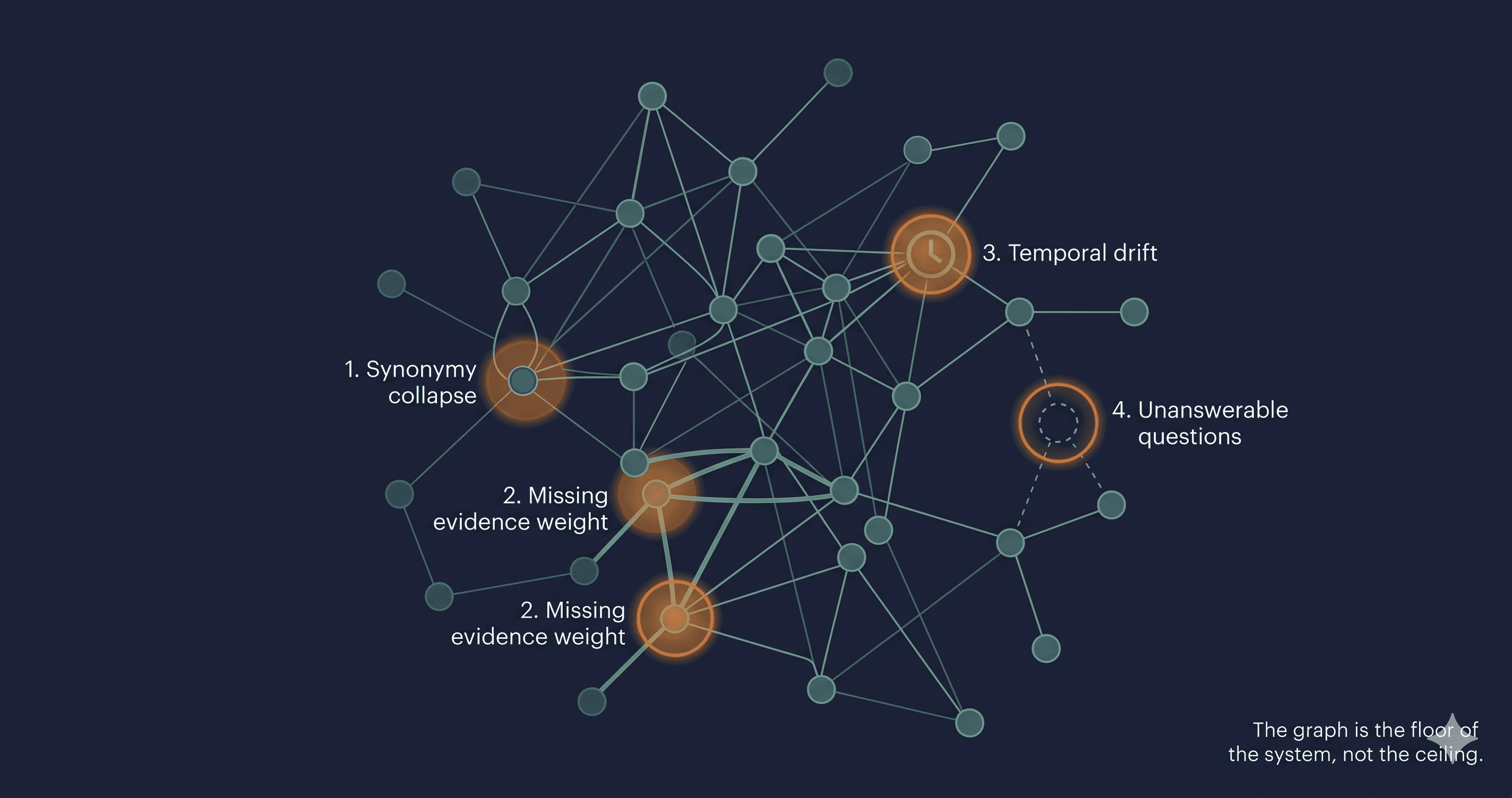
Four failure modes of knowledge graphs over messy literature
10 Mar 2026·4 min readKnowledge graphs over biomedical literature look clean on a slide. The failure modes only show up once a domain expert starts asking sharp questions — and none of them are model problems.